


June 25, 2026
The Impact of Supporting Both Survivors & Their Caregivers
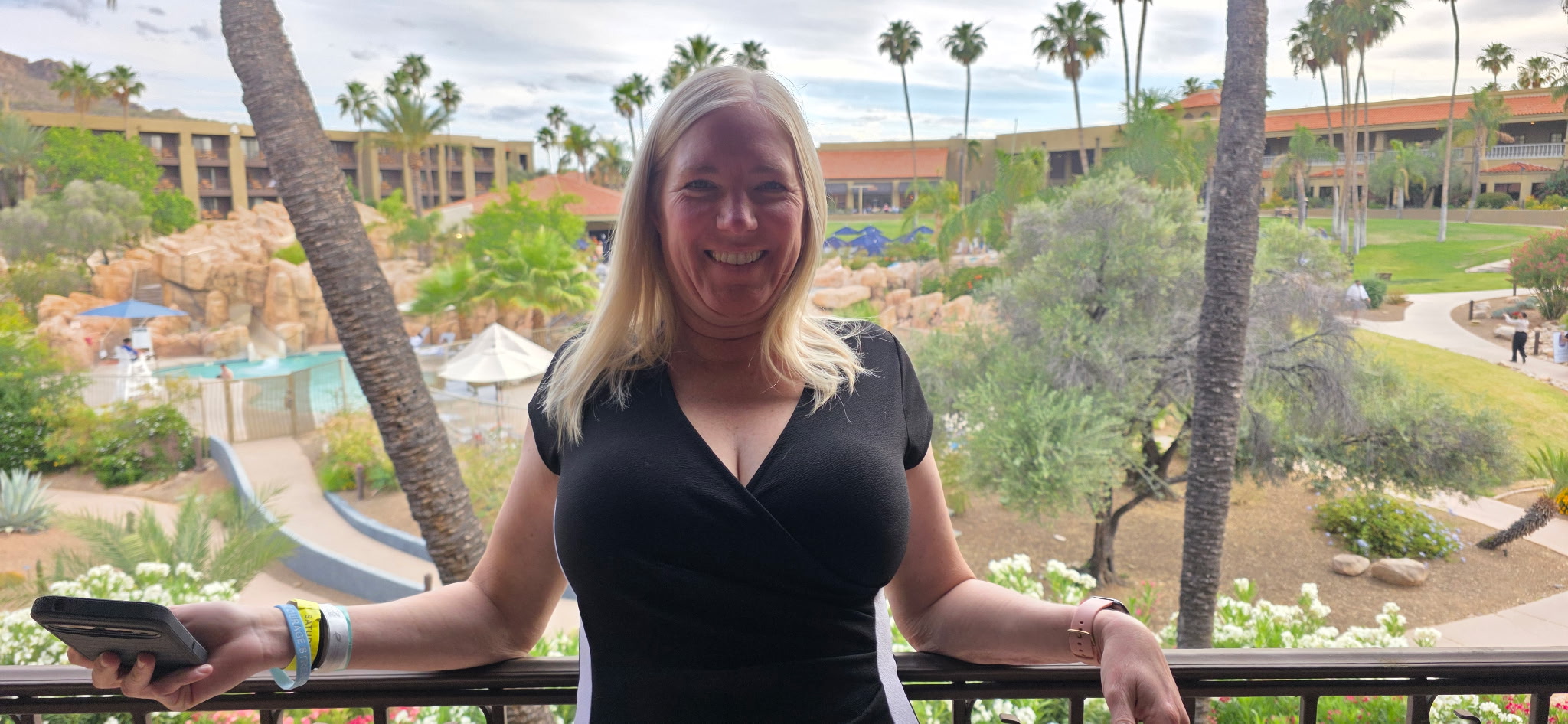
“What people don’t understand is that when you’re in that much pain, it’s hard to even talk,” said Michelle, reflecting on when she first met the ABF team. Much of that time is still a blur due to the amount of medication she was on.
She remembers not wanting visitors—and the isolation of being hospitalized during COVID, with nursing shortages, limited visiting hours, and strict PPE protocols—after a burn injury at a campsite near the sand dunes in Yuma.
The Road to Recovery
It wasn’t until nearly a year later that Michelle connected with ABF through her therapist, who believed the Foundation’s emotional support programs could help.
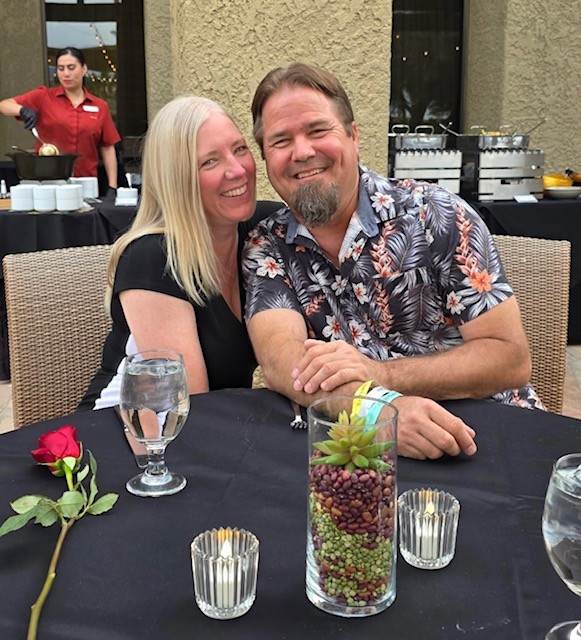
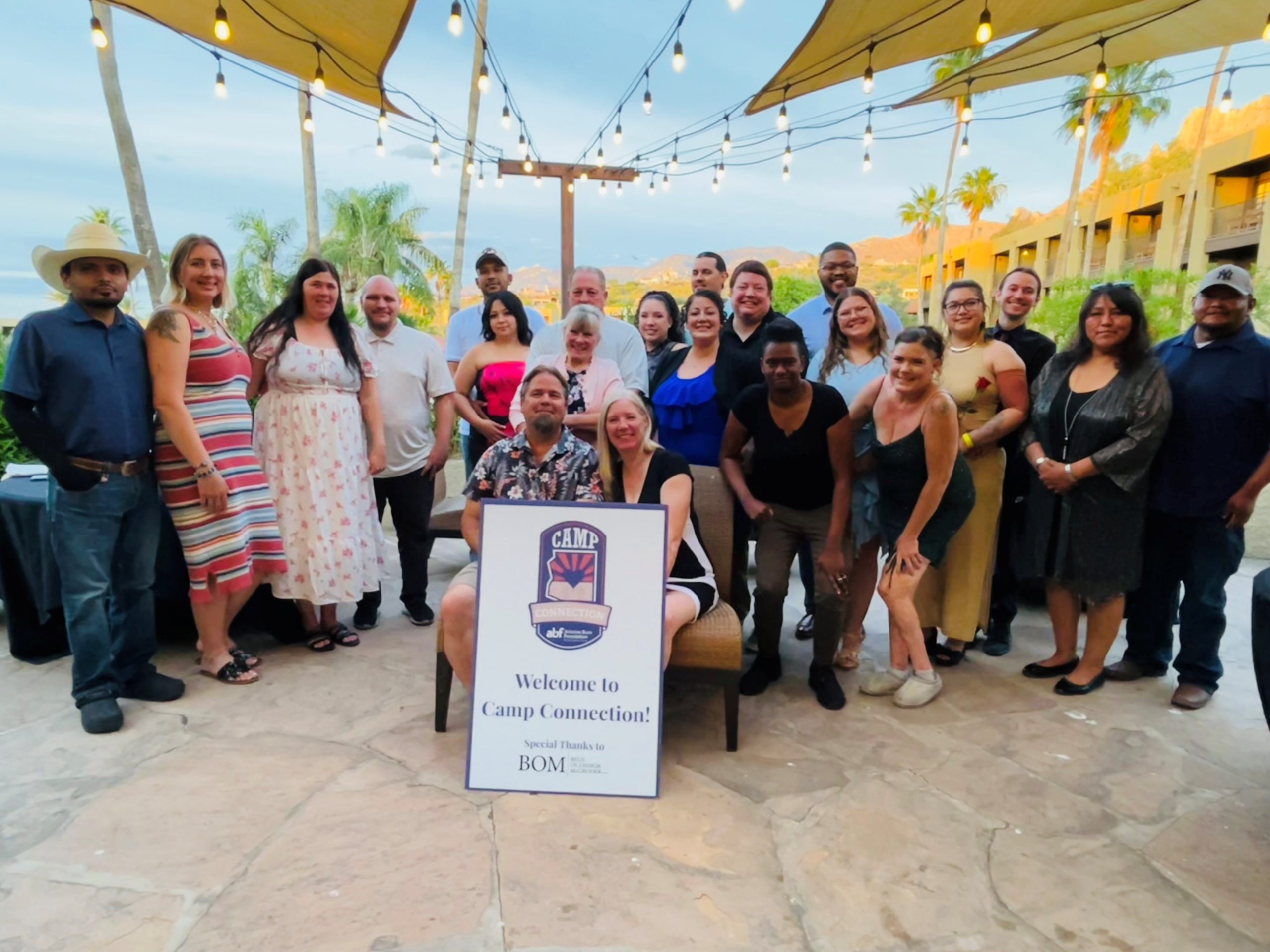
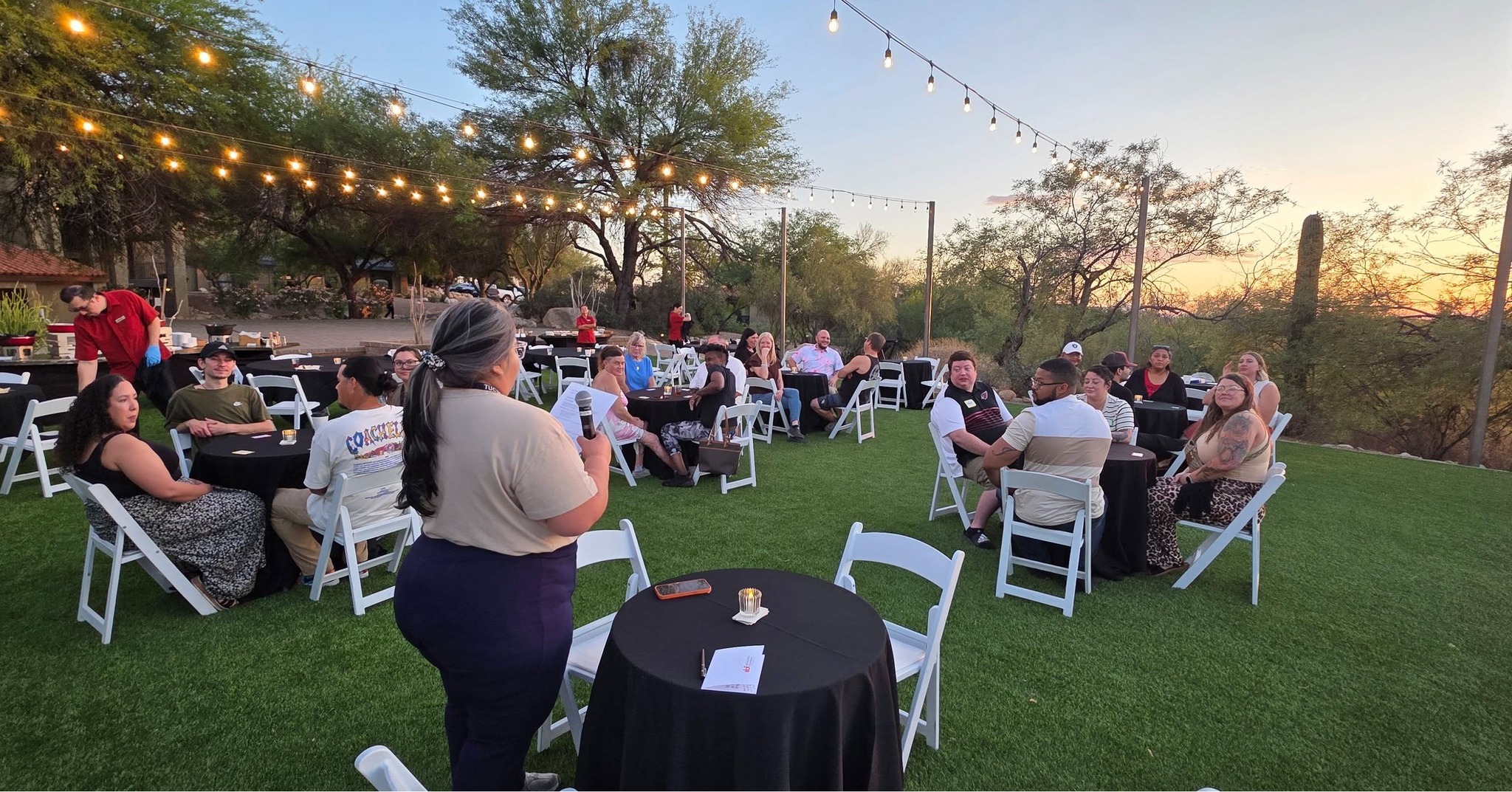
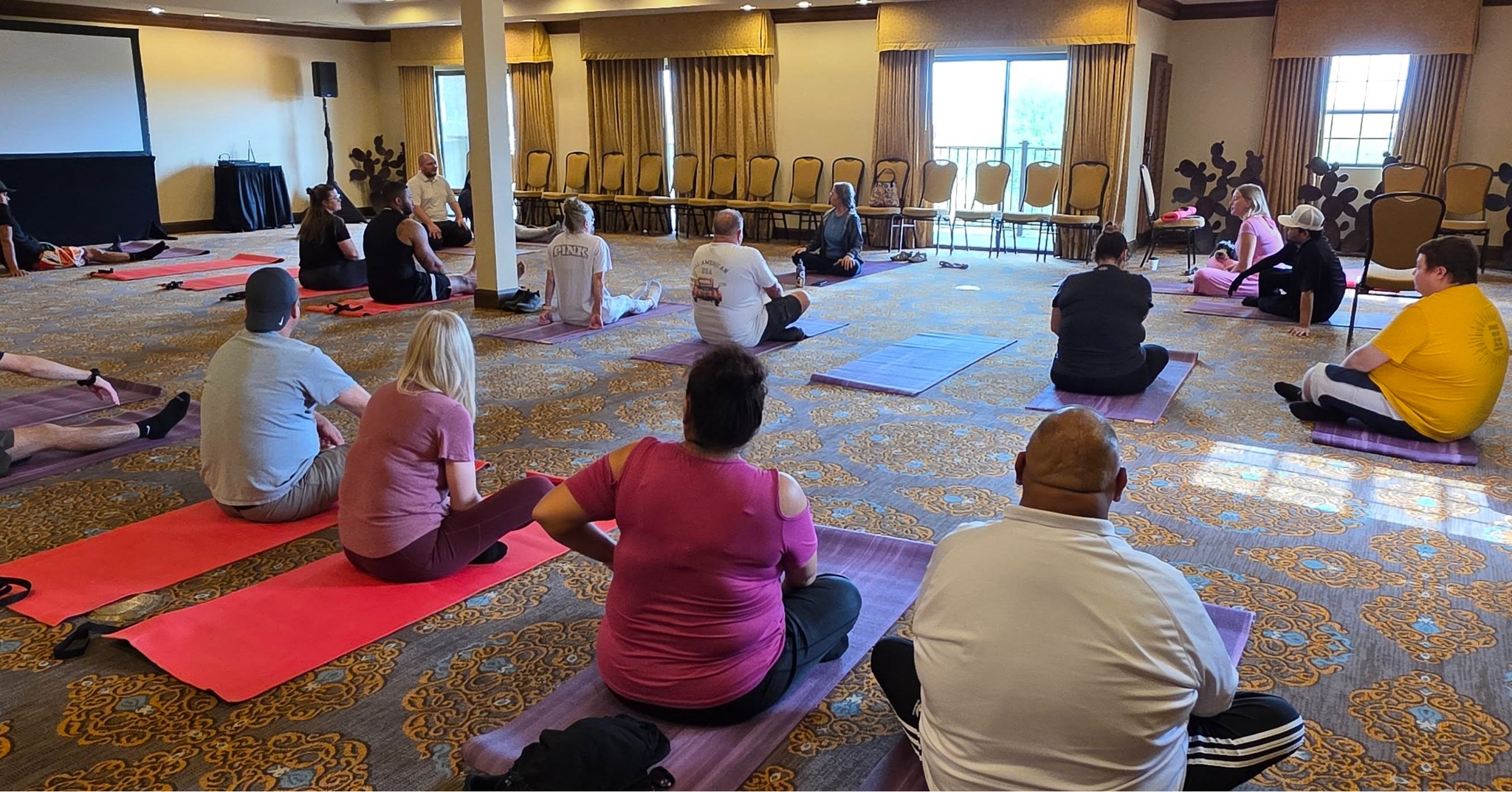
She began with virtual support during the pandemic. When things reopened, Michelle and her partner attended Camp Connection, a program for burn survivors and their partners.
“Being able to see people in person and share, it’s a lot more impactful,” said Michelle. “Having somebody that you can talk to who’s been through it already… and being able to guide you because they know what they’ve been through.”
Now having attended twice, Michelle has seen how new survivors often arrive unsure and still processing the unknowns of recovery.
“I noticed both times that I went… the newest burn survivors are generally the quietest,” she said. “It takes them longer to open up… they’re still dealing with the healing process, and they don’t know what the end of this journey is gonna look like… there are so many unknowns.”
Paying it Forward
That perspective has shaped how she shows up for others.
“I like going to ABF events because I’m able to share what I’ve learned through the process,” said Michelle. “And hopefully catch people before they end up in the situations I ended up in… and get in front of people who are much earlier in the healing process.”
Connecting Caregivers
Programs like Camp Connection are designed to support not only survivors, but their caregivers as well—an often overlooked but essential part of healing.
After Michelle’s injury, her partner took on a significant caregiving role. Just weeks later, their family faced another trauma when her son was involved in a car accident that resulted in a leg amputation.
“My partner was impacted by the traumatic situation as well, having to take a lot of time off of work to help care for me… with showering and bandage changes, and then having to help my son too,” Michelle shared. “So, for him, he really liked being able to talk to the other caregivers in a separate room to give positivity and hope… and he found value in sharing his experience with others, giving honest hands-on advice and getting advice.”
Experiences like Michelle and Jon’s are exactly why these programs matter.
Through ABF’s Thrive programs, survivors and their loved ones find more than support—they find a community that understands and walks alongside them through every stage of recovery. Learn more at azburn.org/camps.